
AI Visibility for Franchises
Is AI sending customers to your franchise locations?
Everyone knows the brand. Nobody asks AI for it. They ask for a plumber who can come today, a place to eat that is open now, an agent who knows their street. The answer is one address, run by one owner, and it is built from whatever the public record says about that single location.
AI never recommends your franchise. It recommends one of your locations, or someone else's.
Choose your franchise system
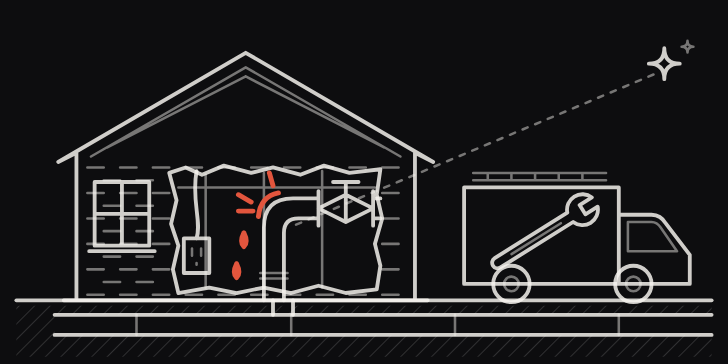
Home Service Franchises
A customer asks AI for a plumber near them, and the answer has to be one franchisee: one truck, one license, one service area. When the license record carries an LLC name the site never shows, or two neighboring owners claim the same ZIP codes, AI has no clean location to name.
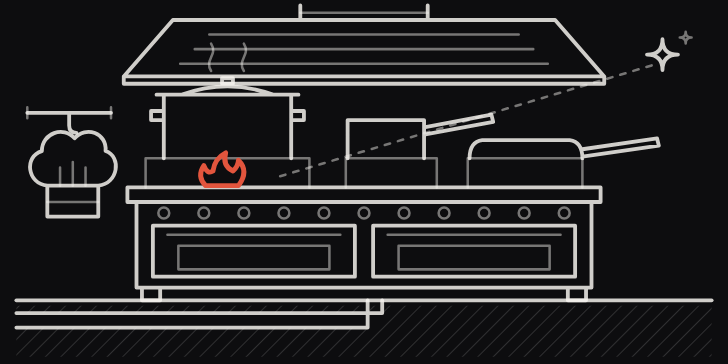
Restaurant Franchises
Restaurant questions are about tonight and one address: is it open, what is on this location's menu, does it deliver here. Hours and menus can vary by owner while the brand site shows one national version. When the Business Profile, delivery apps and brand page disagree, AI holds three answers and cannot tell which is true.
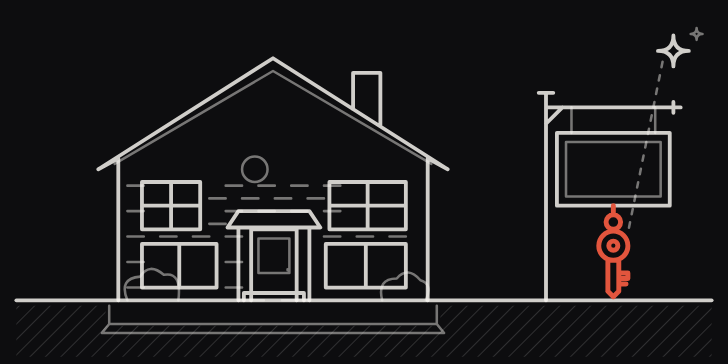
Real Estate Brokerage Franchises
The brand is on the yard sign, but the office is often independently owned and operated, and each agent's license is held with a specific brokerage. AI has to connect the person, the office and the brand. An agent page that names the brand but never the office holding the license leaves that chain broken.
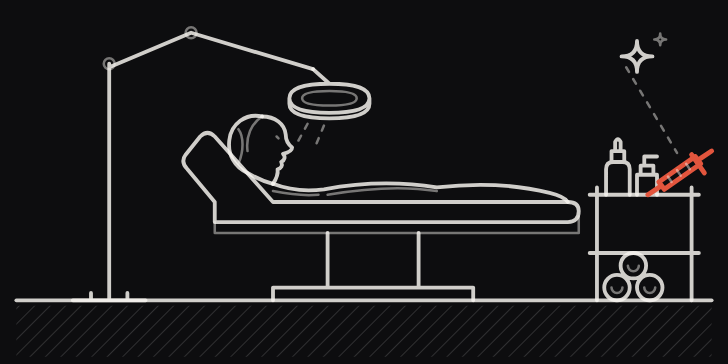
Med Spa Franchises
A med spa franchise sells one menu of treatments, but each location has its own medical director, its own providers and its own state rules on who may perform what. AI looks for the supervising provider at the address it is about to recommend. A brand treatment page with no local clinician named gives it nobody accountable.
Commercial Cleaning Franchises
A facility manager asks AI who can clean a medical office nearby, and the answer has to be one operator: one crew, one bond, one insurance certificate. When bonds, credentials and profiles sit under the brand or a regional master instead of the operator doing the work, AI has no accountable company to name.

Fitness Franchises
Someone asks AI for a class before work near the office, and the answer has to be one studio: its timetable, its rate card, its coaches. When the schedule hides inside a booking widget, a national starting price stands in for the local one, or a presale opening date slips, AI names the wrong door.
Home Care Franchises
A family asks AI who can help a parent at home after a hospital stay, and the answer has to be one agency: licensed in that state, serving that ZIP code, clear about non-medical care versus Medicare home health. When the page never says which, or a sold territory still shows the old license, AI has nothing safe to name.
Why is a franchise harder for AI to read than a single business?
An independent business is one thing: one name, one address, one owner, one set of reviews. A franchise system is at least two things at once. There is the brand, which owns the trademark, the national website and the advertising. And there is each location, which is usually a separate company with its own owner, its own registration and its own record in every directory that lists it.
Answer engines have to hold both and keep them straight. A question like "best pizza near me" or "emergency electrician in my town" cannot be answered with a brand. It can only be answered with a location, so the model has to find the location, confirm it is open, confirm it serves the place being asked about, and decide it is safe to say so. Brand strength helps it recognize the name. It does not tell it which of your locations is real, current and nearby.
That is how a well known franchise brand can lose a local AI answer to an independent competitor with a smaller reputation and a cleaner record. The independent has one version of itself. A franchise location can have five, and a system built to avoid confident mistakes treats disagreement as a reason to name someone else.
Where a franchise system's record splits apart
These are the places a franchise location stops matching itself. None of them is a problem at a single location business, which is why generic local advice misses them.
- Two names for one locationThe sign says the brand. The license, the state business registration and sometimes the invoice say "Smith Family Services LLC". If no page connects the two, AI sees two businesses at one address.
- Dozens of listings that must agreeEach location is listed on its Business Profile, the brand's store locator, map apps, review sites and delivery or booking platforms. One stale phone number or hour set is enough to make the whole location uncertain.
- Locations that closed or changed handsA closed store, a relocated office or a territory sold to a new owner leaves old profiles, old locator pages and old reviews behind, all still public and still readable.
- Location pages that are copiesA locator that publishes the same paragraph for every city, with only the name swapped, gives AI no fact about the location it could not read on the homepage.
- Brand reviews and location reviewsReviews on the brand site, on a corporate profile and on each location's profile describe different things. A model asked about one address weighs the reviews tied to that address.
- Who controls the Business ProfileSome systems manage every profile from corporate, some leave it to each owner, and many never decided. A profile nobody at the location can sign into is a profile nobody fixes when hours change.
What the rules actually say about franchise locations
Most franchise listing problems are not judgment calls. The platforms and standards that answer engines read from have written rules, and they are specific.
One profile per location, one name across the chain. Google's Business Profile guidelines say not to create more than one page for each location of a business. A franchisee that is an authorized and fully dedicated seller of the brand may use the underlying brand name, and all locations in the same country must carry the same name unless the real world signage consistently varies. Legal terms such as LLC go in the profile name only with real world proof, like signage, that the business uses them.
Managing a profile you do not own. Google's eligibility and ownership guidelines define an authorized representative as anyone who manages a profile for a business they do not own, and require that representative to transfer ownership to the business owner immediately on request. Whether corporate or the franchisee is the owner is settled by your franchise relationship, not by Google, so it is worth deciding in writing before it is disputed.
Closed and transferred locations. Google says a profile marked permanently closed may still appear on Search and Maps, clearly shown as closed. If a location closed as part of a name or location change, Google says do not reopen it: add and verify a new profile, and contact support if the reviews should move with it.
Location pages. Google's spam policies list pages targeted at specific regions or cities that funnel users to one page as an example of doorway abuse. Its local business structured data documentation recommends marking up each location as a LocalBusiness, using the most specific subtype available.
Saying how a location relates to the brand. Schema.org gives a location page the words to describe a franchise precisely. legalName is the registered company name. brand names the brand an organization maintains. parentOrganization is the larger organization a location is a sub organization of, and it supersedes the older branchOf property, which fits a company owned location better than an independent franchisee.
A public list of your locations already exists. For a franchisor selling in the United States, Item 20 of the franchise disclosure document under the FTC Franchise Rule requires listing current franchisees with the address and telephone number of each outlet, and naming franchisees who left the system in the last fiscal year. Your locator, your profiles and that list should describe the same system.
Who fixes what: the franchisor and the franchisee
A franchise visibility problem rarely belongs to one side. The work splits along the same line the business does.
The franchisor owns the system. A locator that lists only open locations and retires closed ones properly. A location page template with room for real local facts instead of a swapped city name. Structured data that states the brand relationship the same way on every page. A written answer to who controls each Business Profile, and what happens to it when a location is sold.
The franchisee owns the location. Hours, holiday hours and phone number that are current everywhere the location appears. The people customers actually meet, named. Services and service area that match what the location really does, not the national menu. Replies to the reviews left for that address.
A location looks the same from every angle a model checks only when both halves are done, and a location that looks the same everywhere is the one a model can name with confidence.
Check one location before you check the system
The location check reads a single location page the way an answer engine does, asks how it relates to the larger brand, and reports where its record disagrees with itself. One free report per location.
Questions about franchise visibility in AI answers
Should each franchise location have its own Google Business Profile?
Yes, one and only one. Google's Business Profile guidelines say not to create more than one page for each location of a business, and they allow a franchisee that is an authorized and fully dedicated seller of the brand to use the underlying brand name. All locations of a chain in the same country must use the same name unless the real world signage consistently differs from location to location.
Should a franchise location use its legal entity name or the brand name?
Use each where it belongs. The name customers see on the sign is the business name on the profile and the location page. The franchisee's registered company name belongs in the schema.org legalName property, and the franchise brand in the brand property. The parentOrganization property describes a company that owns the location, so it fits a corporate store better than an independently owned franchise.
Why does AI still mention a franchise location that closed or changed hands?
Because the old records are still public. Google says a profile marked permanently closed may still appear on Search and Maps, shown as closed. When a location changes name or owner, Google says not to reopen the closed profile but to add and verify a new one, and to contact support if the reviews should move. Every directory, locator page and delivery listing that still shows the old version is another source an answer engine can read.
Are near duplicate city pages a problem for a franchise site?
They can be. Google's spam policies name doorway abuse, which includes pages targeted at specific regions or cities that funnel users to one page. A location page earns its place when it carries what only that location has: its address, hours, people, services, service area and reviews. A page that differs from fifty others only by the city name gives an answer engine nothing it could not read on the brand homepage.
Want Digilu to manage this for you? See how Digilu manages this for franchise systems →